
How Therapeutic Environments Empower Children With Strong Coping Skills

It’s a scene many parents know: a simple request to put on shoes escalates into a full-blown meltdown. We often see this as defiance, but what if it’s a distress signal? Child development experts suggest that child emotional dysregulation is a sign of a child struggling with big feelings they can’t yet manage. The key isn’t stricter rules, but a different kind of environment.
This reframes the goal from stopping a behavior to building a skill. Instead of a clinical setting, think of creating an emotional greenhouse — a protected space designed to give young coping skills for children the perfect conditions to grow. By understanding how the environment affects child behavior, you can transform frustrating moments into opportunities for connection and learning through the simple principles of safety, connection and predictability.
What Are Coping Skills? Unpacking Your Child’s Emotional Toolbox
When big feelings like frustration or sadness show up, a child needs a way to manage them. Healthy coping skills are the emotional tools they use to feel more in control. Instead of hitting or shutting down, they might learn to take a deep breath or ask for a hug — simple actions that help them navigate their inner world. This collection of skills becomes their personal emotional toolbox.
A well-stocked toolbox should include different strategies, as not every tool works for every situation. Coping strategies for kids are often grouped into a few key types:
- Calming Skills: For when emotions are intense (e.g., deep breaths, listening to quiet music).
- Distraction Skills: To shift focus away from a trigger (e.g., playing with a favorite toy, getting a drink of water).
- Processing Skills: To make sense of feelings after the storm has passed (e.g., drawing the feeling, talking to an adult).
Having a variety of these tools is crucial. A calming skill is for the heat of the moment, while a processing skill works best after things settle down. The goal isn’t just stopping a behavior; it’s empowering a child with options. But to even reach for these tools, a child first needs an environment where they feel safe enough to learn.
The 3 Pillars of a Therapeutic Environment
The concept, which experts sometimes call a “therapeutic milieu for children,” isn’t about creating a sterile, hospital-like setting. Instead, it’s about weaving three essential ingredients into your daily interactions: Safety, Connection and Predictability. These pillars form the foundation that allows a child to feel secure enough to build new skills.
The first pillar is Safety, and it goes far beyond physical protection. This is emotional safety — the unwavering feeling that it’s okay to have big, messy emotions without being judged, shamed, or abandoned. It’s the deep-down knowledge that their feelings are valid, even if their behavior needs guidance. This is the core of creating a safe space for child therapy and healthy development at home.
Next, Connection assures a child that a caring adult is on their team, ready to help them through a struggle. This is supported by Predictability, which creates a calm backdrop through consistent routines and responses. When life feels stable, a child’s mind is free to learn and grow instead of constantly guessing what will happen next.
Together, these pillars quiet the brain’s alarm system, making it possible for a child to listen, learn and practice new emotional tools. Understanding the role of the environment in child psychology begins with this trio.

Pillar 1: Why Emotional Safety Turns Off the Brain’s Alarm System
To understand why safety is paramount, imagine the brain has a built-in alarm system to detect threats and trigger a survival response: fight (yelling, hitting), flight (running away), or freeze (shutting down). For a child, this system can’t always tell the difference between a tiger and a tough math problem. A seemingly minor event can sound a major alarm, explaining why some reactions feel so out of proportion.
When a child expects to be shamed or punished for their feelings, their environment feels unsafe, keeping that alarm on high alert. During this stress response, the thinking part of their brain — where logic and problem-solving happen — goes offline. This is why trying to reason with a child mid-meltdown feels impossible; the part of their brain that understands logic simply isn’t available.
Emotional safety does the opposite. By responding with empathy, you send a powerful signal that disarms the alarm. This security tells their brain, “You are safe.” As the alarm quiets, the thinking brain comes back online, making it possible for them to learn and connect once more. Creating that safety starts by becoming their anchor in the chaos.
Pillar 2: The Magic of Co-Regulation: Lending Your Calm to a Child’s Storm
Becoming that anchor is a skill called co-regulation. Think of it as being a calm harbor in your child’s emotional storm. When a child is overwhelmed, they lack the ability to turn off their internal alarm alone. By staying calm yourself — speaking in a low, slow voice and being a steady presence — you lend them your stability. Your calm nervous system communicates safety to theirs, helping it settle down without words. This is one of the most powerful child resilience building activities you can practice.
Imagine a child growing frustrated building a tower that keeps falling. A common response might be, “Don’t get so upset! Just try again.” This often adds more pressure. A co-regulating response is different. You might get on their level, put a hand gently on their back, and say softly, “That is so frustrating when it keeps falling. I can see how hard you’re working.” You aren’t fixing the tower; you are validating the feeling, providing one of the most effective examples of emotional regulation for children.
This process isn’t about instantly stopping tears or anger. Instead, co-regulation is the necessary first step a child must experience before they can learn to calm themselves. By repeatedly growing your calm, their brain learns the pathway back to a settled state, building the foundation for true self-regulation.
Pillar 3: How Predictable Routines Create a Scaffolding for the Soul
Creating a steady world for your child brings us to our third pillar: Predictability. Think of a child’s brain as a busy computer; routines are the programs that run automatically in the background. When they know what to expect, their mind doesn’t waste precious energy guessing what’s next. This frees up their mental capacity to handle challenges and learn new skills, a hallmark of the safe and supportive learning environments often seen in Montessori environment emotional development.
This principle goes beyond just a bedtime chart. The most powerful forms of predictability are often tiny, consistent mini-routines built around tricky daily transitions. These small rituals act as emotional bridges, signaling to a child’s brain, “I know what happens now, and I can handle it.”
For example, you could introduce a:
- Goodbye Ritual: A special handshake or phrase used only when separating.
- After-School Reset: A consistent 15 minutes for a snack and quiet time before any talk of homework or chores.
- Problem-Solving Step: When a toy breaks, the first step is always to take a deep breath together before looking at the pieces.
These small, reliable anchors create immense security. For times when overwhelm still hits, having a designated safe space is also key.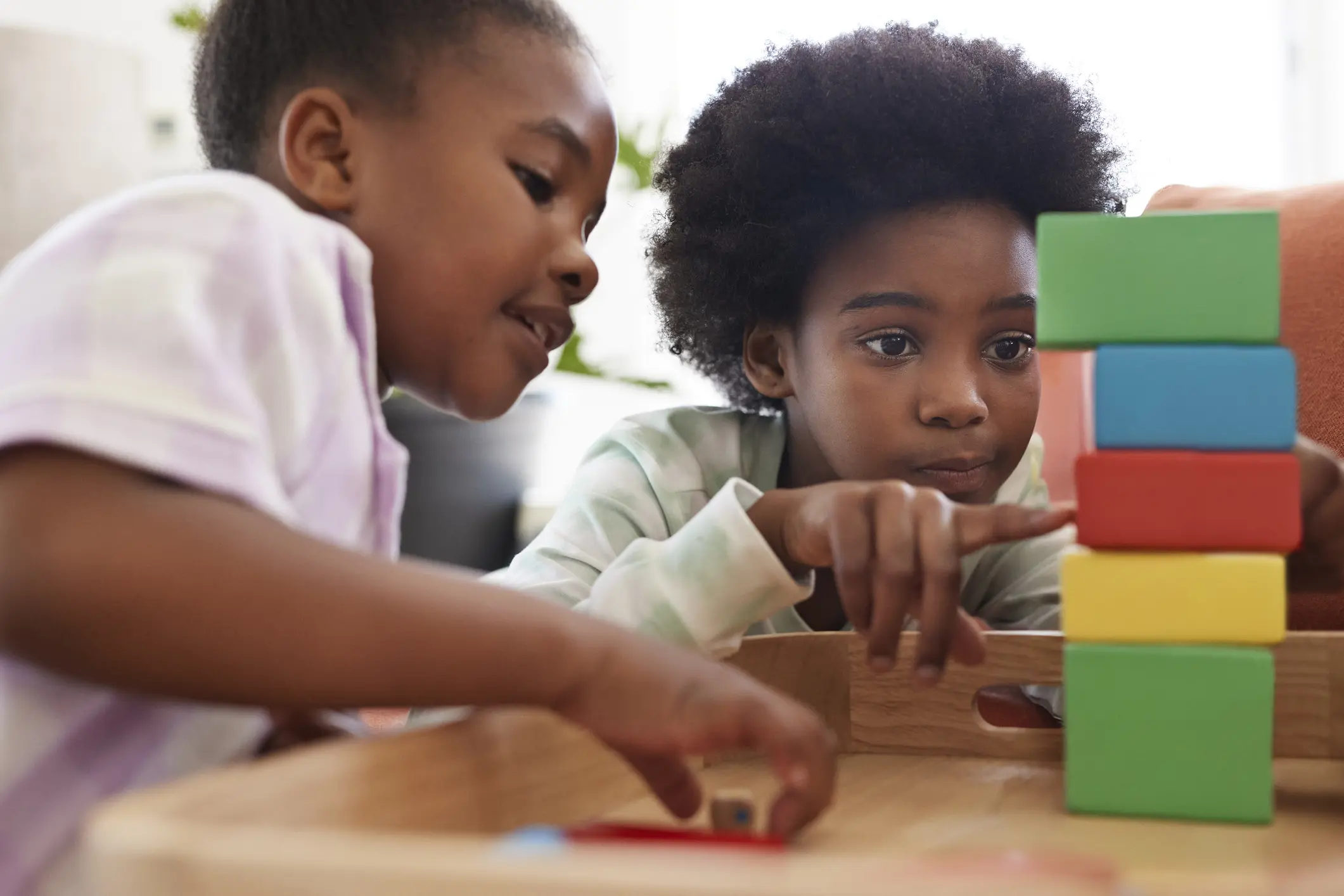
A Practical Guide: How to Create a Calm-Down Corner That Actually Works
One of the most powerful ways to bring the pillars of safety and predictability to life is by creating a dedicated calm-down space. This is not a time-out chair in disguise. A time-out is a consequence that says, “Go away from me.” A calm-down corner is a supportive tool that says, “Here is a safe place to feel your feelings.” It’s a resource they choose, not a punishment. This shift is one of the most effective play therapy techniques for emotional regulation you can use at home.
To design a calming corner that feels like a hug, co-create an inviting space with your child when they are happy and relaxed. It can be a simple nook that appeals to the senses and lowers stress, a key element in creating sensory-friendly rooms for anxious kids.
A great corner includes a mix of textures and tools in a basket:
- Something soft: Pillows, a fuzzy blanket, or a favorite stuffed animal.
- Something heavy: A weighted lap pad provides calming deep pressure.
- Something to squeeze: Stress balls, therapy putty, or a squishy toy.
- Something for quiet focus: A liquid motion bubbler or a simple puzzle.
- Something to name feelings: A feelings chart or a book about emotions.
The most important step is to introduce this space proactively. Explore the items together, saying, “This is our new cozy corner. If you ever feel mad, sad, or just wiggly, this is a place you can go to feel better.” By modeling its use yourself (“I’m feeling a little frustrated, I’m going to squeeze this ball for a minute”), you teach your child that managing emotions is a normal, healthy skill.
Your First Steps to Building an Emotional Greenhouse
Where a meltdown may have once felt like defiance, you can now see it as a cry for help and an opportunity for connection. The most powerful response isn’t discipline, but shaping an environment of Safety, Connection, and Predictability, giving your child the secure foundation they need to grow.
This journey doesn’t require a complete overhaul overnight. Start small. This week, when your child is upset, try sitting quietly with them for just one minute before you act. Your calm presence is a powerful tool. Also, pick one daily transition and create a simple, two-step routine. These are foundational child resilience building activities.
The goal isn’t to be a perfect caregiver who eliminates every struggle. It’s to be a present one who meets that struggle with connection. Each time you offer your calm or create a moment of predictability, you aren’t just managing a behavior. You are showing your child how to build their own toolbox of healthy coping skills, one supportive moment at a time. To learn more about our programs visit our service page or give us a call at 770-455-3200.






Bringing Life Into Balance
Call Peachford Hospital at 770-455-3200 or visit our facility for a no-cost, confidential assessment by one of our licensed behavioral health professionals. We’re available 24 hours a day, 7 days a week.