
How Patient and Family Support Can Help Navigate Behavioral Health Care

Seeking behavioral health treatment can come with questions for both patients and their families. What happens during treatment? Who can I talk to when I have questions? How can family members stay informed and involved? And what happens as a patient moves through different stages of care? At Peachford Hospital, supporting patients means helping them understand and navigate their care journey. One way Peachford provides this support is through patient and family navigation, helping facilitate communication among patients, families and the clinical team. 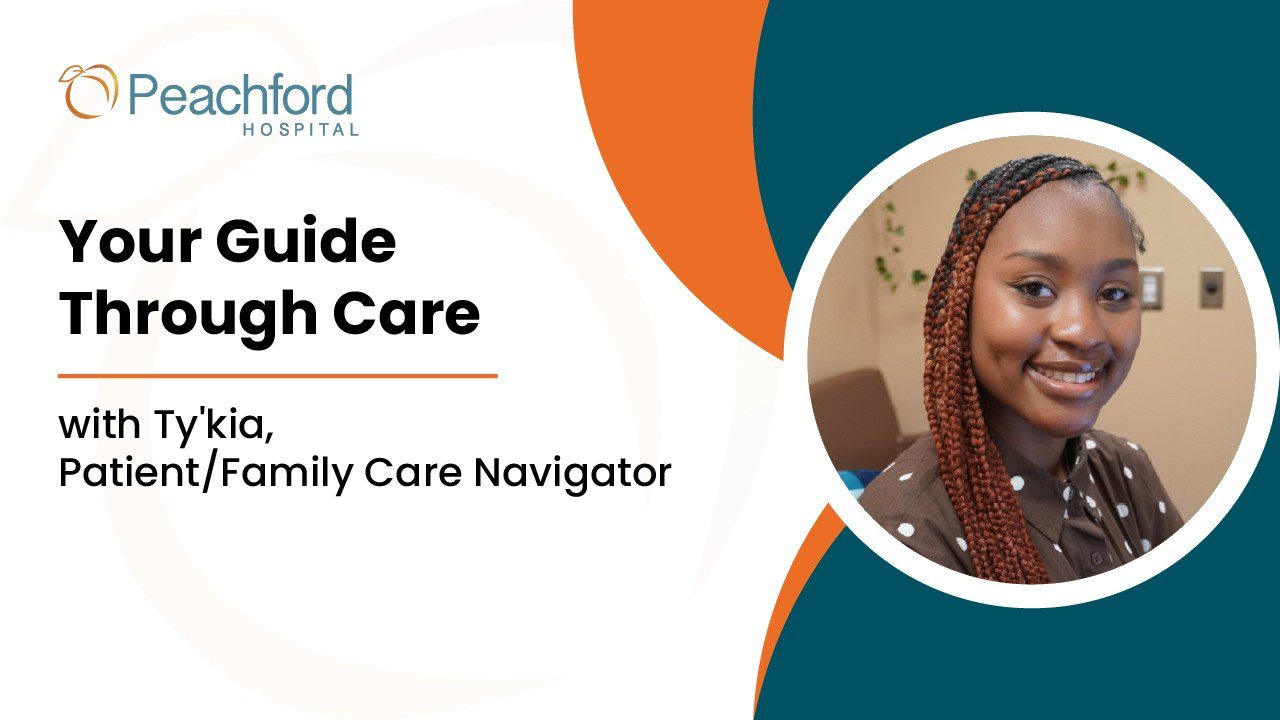
What Is Patient and Family Care Navigation?
Healthcare systems can be complex, particularly when someone is already dealing with a mental health or substance use concern. A 2022 scoping review published in BMC Health Services Research examining patient navigation for people experiencing mental health and/or addiction concerns identified three major themes of navigation programs: reducing barriers, providing client-centered support and helping integrate care. The researchers found generally positive outcomes associated with patient navigation while also noting the need for additional research. At Peachford Hospital, patient and family care navigation can help create connections among patients, families and members of the clinical team. For patients and families, that may mean having someone who can help them better understand the hospital process, listen to concerns and provide guidance as they navigate care.
Why is family communication important during behavioral health treatment?
Mental health treatment does not always affect only the individual receiving care. Parents, spouses, caregivers and other loved ones may also have questions and concerns about treatment and the transitions that follow. Research supports the importance of communication and appropriate family involvement in behavioral healthcare. A study published in Psychiatric Services examining 179 psychiatric hospitalizations found that family involvement with hospital staff was associated with more comprehensive discharge planning and a greater likelihood of patients attending follow-up outpatient care within seven and 30 days following discharge. A 2025 systematic review indexed by PubMed examining families’ experiences with psychiatric hospitalization also highlighted the importance of collaborative relationships among patients, families and mental health clinicians. The findings underscore the value of effective communication and family engagement when appropriate. Patient and family care navigation can help support those connections and provide another resource for individuals and their loved ones during treatment.
Giving patients and families a voice
Behavioral health treatment can move quickly. For someone experiencing a mental health crisis — or a family member trying to support them — processing new information while navigating a hospital environment can feel overwhelming. Advocacy can therefore be an important part of the patient and family experience. Having someone available to listen can give patients and families an opportunity to ask questions, express concerns and better understand the treatment process. It can also help create an environment where individuals feel heard and have a voice in their care.
The role of empathy in behavioral health care
Clinical treatment is an essential part of behavioral healthcare, but the way patients and families experience that treatment matters, too. Empathy can mean giving someone the space to express difficult emotions without judgment. It may involve listening to a concerned family member, allowing a patient time to process what they are experiencing or simply being present while helping someone understand what comes next. Research into family experiences during psychiatric hospitalization reinforces the importance of respectful communication and collaborative relationships among healthcare professionals, patients and families.
What does patient and family care navigation look like at Peachford Hospital?
At Peachford Hospital, patient and family care navigation serves as an additional connection among patients, their families and the clinical team. Support may include helping patients and families:
- Better understand the hospital and treatment process
- Navigate questions or concerns during care
- Communicate with appropriate members of the care team
- Feel heard and supported
- Advocate for their needs
- Understand transitions throughout their care journey
Patient and family care navigation does not replace the patient’s clinical treatment team. Instead, it can provide an additional layer of communication, advocacy and support during the hospital experience.
Behavioral Health Services at Peachford Hospital
Peachford Hospital provides behavioral health and substance use treatment services for children, adolescents, adults and senior adults. Depending on an individual’s needs, treatment may include different levels of care and specialized programming. Because every person’s needs and circumstances are different, determining the appropriate level of support is an important first step. Throughout that journey, communication among patients, families and members of the treatment team can help make the care experience more understandable and connected.
Frequently Asked Questions About Patient and Family Navigation
Helping Patients and Families Navigate the Next Step
Navigating behavioral healthcare is more than understanding processes. It is also about making sure patients and families have opportunities to ask questions, express concerns and feel heard throughout the care experience. Whether someone is seeking help for themselves or trying to support a loved one, resources are available to help them navigate the next step. Learn more about behavioral health programs and services available at Peachford Hospital and contact us today.
Sources & References
Markoulakis, R., Weingust, S., Foot, J., & Levitt, A. (2022). The family navigation implementation strategies: Improving access to mental health and addictions care. BMC Health Services Research. Haselden, M., Corbeil, T., Tang, F., Olfson, M., Dixon, L. B., Essock, S. M., Wall, M. M., Radigan, M., Frimpong, E., Wang, R., Lamberti, S., Schneider, M., & Smith, T. E. (2019). Family involvement in psychiatric hospitalizations: Associations with discharge planning and prompt follow-up care. Psychiatric Services. Karpa, J., et al. (2025). Systematic review examining family experiences of psychiatric hospitalization. PubMed, U.S. National Library of Medicine.






Bringing Life Into Balance
Call Peachford Hospital at 770-455-3200 or visit our facility for a no-cost, confidential assessment by one of our licensed behavioral health professionals. We’re available 24 hours a day, 7 days a week.